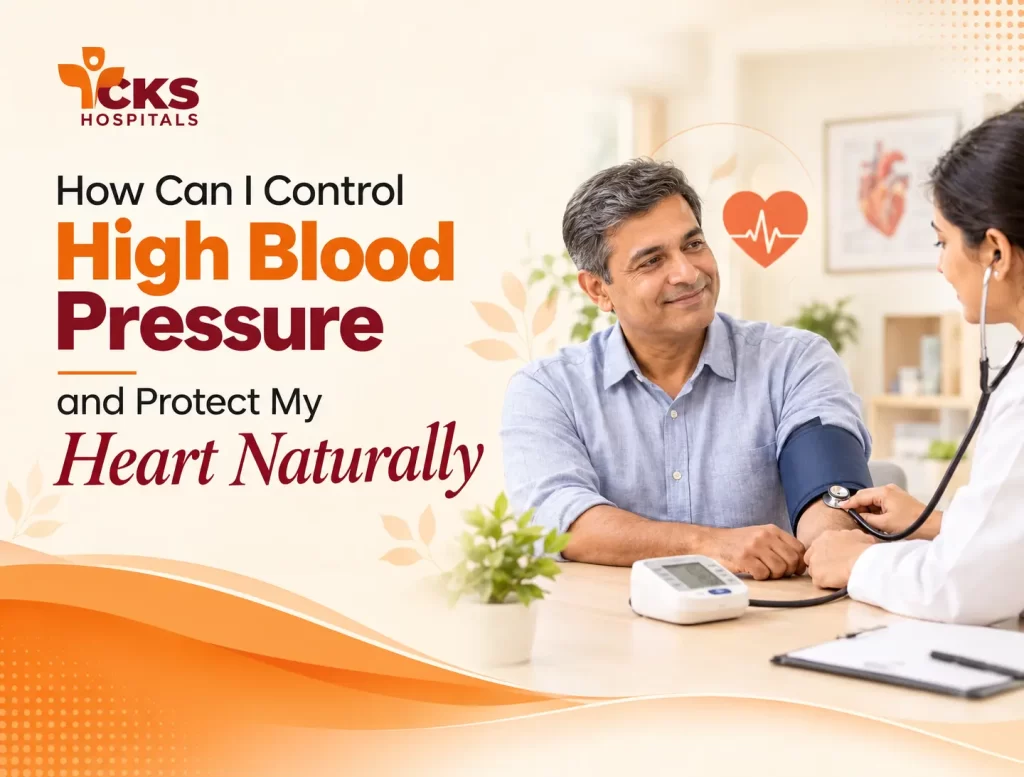
How Can I Control High Blood Pressure and Protect My Heart Naturally
Which lifestyle habits help to reduce the risk of high blood pressure? Lowering salt intake in one’s diet, keeping an ideal body weight, exercising, and eating more vegetables and fruits can minimise the risk of developing high blood pressure. You should also quit smoking, moderate alcohol intake, take steps for stress management and get sufficient sleep for proper heart function. In case high blood pressure still occurs, consult a doctor and follow the prescribed medication routine.
To support your wellness journey, this guide explains how to control high blood pressure through sustainable lifestyle changes and medical strategies.
Why Is Controlling High Blood Pressure Important?
Cardiovascular specialists emphasise that managing high blood pressure and heart health is vital because chronic hypertension continuously strains both the heart and blood vessels. Blood pressure refers to the force of blood pushing against the walls of your arteries while the heart is beating. If blood pressure is consistently increased, then the heart is forced to work extra hard to pump the blood all over the body.
The constant presence of high blood pressure raises the risk of heart disease, heart attacks and strokes. It may not cause noticeable symptoms. Detecting blood pressure readings early allows timely lifestyle changes, medical assessment and treatment when needed. A preventive health checkup shows you how to improve heart health while reducing the risk of long-term cardiovascular complications.
What Are 7 Effective Ways to Control High Blood Pressure?
The 7 natural ways to lower blood pressure include reducing sodium, managing weight, staying active, eating well, controlling stress and monitoring readings regularly. Here is a brief look at each of them:
Reduce Salt Intake
Much sodium (salt) in your diet can make your body retain more water. This extra water can raise your blood pressure. Many processed and pre-packaged foods like made meals, cold cuts, chips and canned items have high levels of sodium. Always check the nutrition label on packaged foods. Pick the ones that have less sodium. It is a key step toward following an effective high blood pressure diet.
Maintain a Healthy Weight
Healthy body weight can assist in controlling blood pressure since it will ease the burden that the heart needs to bear. But weight control should never be done in a drastic manner. Rather, it should be done steadily by means of proper food intake and regular exercise.
Exercise Regularly
Physical exercise supports a heart-healthy lifestyle and helps you achieve healthier blood pressure levels. Some physical activities you can try include brisk walking, cycling and swimming. However, consistency is better than strenuous exercise. Physical exercises should be done progressively in accordance with the fitness level, age and health condition of an individual.
Follow a Heart-Healthy Diet
A heart-healthy diet should include fruits, vegetables, whole grains, legumes, nuts, and seeds. Fish can also be included in the diet. To make the most effective hypertension diet plan, prefer having fresh foods over processed foods. It helps you get essential nutrients and can easily cut down on sodium, saturated fat and sugar.
Manage Stress and Sleep Well
Chronic stress and insufficient sleep might make it difficult to control blood pressure. Exercises like breathing techniques, meditation, or stretching could be useful in managing stress. Consistency in sleeping and waking up times and enough sleep time could also contribute to the improvement of heart conditions.
Avoid Smoking and Limit Alcohol
The use of cigarettes causes harm to blood vessels. Hence, avoiding smoking is vital when aiming at heart protection. Excessive consumption of alcoholic drinks also raises blood pressure. Reducing the amount of alcohol consumed could help in controlling blood pressure and reducing cardiovascular risks.
Monitor Blood Pressure and Follow Medical Advice
Using your doctor’s recommended home monitor helps you keep track of your blood pressure readings in a precise way. Keeping a log makes it easier for your physician to look at patterns and make changes to your treatment plan in the right way. Since high blood pressure that lasts a long time can affect the small blood vessels in the kidneys, careful blood pressure management is very important to keep the kidneys working well over time. Do not stop, skip or change prescribed medication without medical guidance, even if blood pressure readings improve.
What Should You Eat to Support Healthy Blood Pressure?
To maintain healthy blood pressure levels, you should opt for more vegetables, fruits, whole grains, legumes, nuts, seeds, and fish. You should also reduce your intake of sodium, processed food items, saturated fats, sugars, and alcohol. These food items contain fibre and important nutrients while being low in elements that can increase your blood pressure levels. The foods listed below can help you create a healthy diet pattern.
Foods to Include
Recommended foods for high blood pressure control include vegetables and fruits, which provide fibre, vitamins and minerals. You can also get fibre and plant nutrients from whole grains and beans and other legumes. Nuts and seeds are also recommended but in the right amounts. Fish can be eaten since it provides omega-3 fatty acids, especially as part of your balanced diet.
Foods to Limit
High-sodium packaged foods and highly processed foods should be avoided since they can contain a lot of sodium in your diet. Saturated fat and foods with lots of added sugar should be avoided as well. Excess alcohol consumption should be avoided because it can affect your blood pressure negatively.
What Is the DASH Diet?
The DASH eating plan stands for the Dietary Approaches to Stop Hypertension. This eating pattern aims at improving your blood pressure. This plan includes vegetables, fruits, whole grains, beans, nuts and other nutrient-dense foods and lowers your sodium intake. The main focus of DASH is the overall dietary pattern and not specific foods.
Can Lifestyle Changes Replace Blood Pressure Medication?
While some patients find that making certain lifestyle adjustments can help them manage their blood pressure, this might not be the case for all. Some might still need to rely on the use of blood pressure medication because of their reading, level of cardiovascular risk and general health status. Following a healthy diet, physical activity, weight management, reduced salt and smoking cessation are key habits that complement prescribed medicines. In addition, consulting heart specialists for any prescribed hypertension treatment ensures medications are safely adjusted to protect your heart.
Even if lifestyle modifications help improve test results, patients should not stop their medications without consulting a doctor. Monitoring is useful in ensuring that the right course of treatment is being administered by making necessary modifications.
When Should You See a Doctor for High Blood Pressure?
If your blood pressure stays high despite making changes in your lifestyle, consulting a senior cardiologist on how to control high blood pressure ensures an accurate diagnosis and treatment plan.
You should also consult a doctor if:
- You have other cardiovascular risk factors that could increase your risk of heart disease.
- You need help in interpreting your blood pressure readings.
- Your blood pressure is high regardless of lifestyle changes.
- You require a tailor-made plan for high blood pressure.
When Is High Blood Pressure an Emergency?
A very high blood pressure level along with alarming symptoms is a sign of an emergency situation that requires immediate care. It is not advisable to treat such a symptom by yourself.
You should see a doctor urgently in case of very high blood pressure together with:
- Pain or discomfort in the chest
- Shortness of breath
- Severe headaches
- Weakness and numbness, especially on one side
- Confusion
- Sudden changes in vision
What Does a Simple Daily Heart-Healthy Routine Look Like?
Heart-healthy activities include eating healthy, exercising regularly, managing stress, getting sufficient sleep and controlling blood pressure at all times. A simple structure may include:
- Morning: Begin the day with a good meal and proper exercise, such as walking, cycling or swimming.
- During the day: Select low-sodium food and also have vegetables, fruits, whole grains, beans and other healthy foods. Keep yourself adequately hydrated as per your requirements.
- Evening: Take part in light exercises and also do some sort of relaxation technique like proper breathing or meditation.
- Night: Take a healthy meal and also maintain your sleep pattern properly.
- Daily: Check your blood pressure if necessary, maintain blood pressure logs and take medicines as instructed. Don’t change the dosage without the instructions of the physician.
FAQs
1. How can I control blood pressure naturally?
To discover how to control high blood pressure, limit sodium, maintain a healthy weight, exercise regularly, reduce stress, avoid smoking and sleep well.
2. What foods are good for blood pressure?
Vegetables, fruits, whole grains, beans, legumes, nuts, seeds and fish are good choices for blood pressure. Stay away from foods that have a lot of sodium, like packaged or processed items. Also avoid saturated fats and added sugars.
3. Can exercise help lower blood pressure?
Yes. Exercise like walking, biking and swimming may be able to help with reducing blood pressure. It is better to do exercises on a daily basis compared to intense training from time to time.
4. Can high blood pressure be controlled without medication?
It is possible that some people can manage their blood pressure using lifestyle changes. Other people need medications when the blood pressure becomes excessively high. In both cases, do not stop taking your medication without talking to your doctor.
5. When should I see a doctor for blood pressure?
Consult a doctor if you have consistently high blood pressure or need assistance in interpreting blood pressure levels.
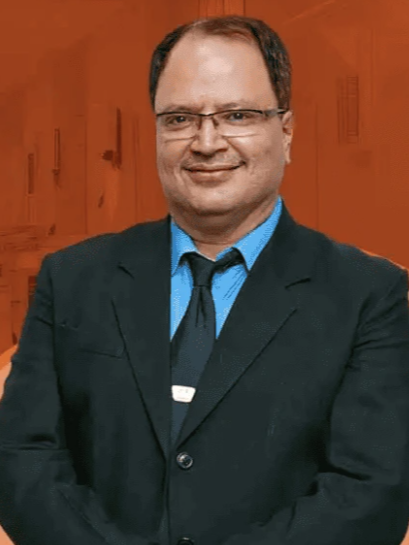
Dr Prakash Chandwani
( Chief Managing Director ) MBBS, MD, DM (Cardiology)
Dr. Prakash Chandwani, the Director and Chief Interventional Cardiologist of CKS Hospital F98A VKIA Road No 6, Sikar Road in Jaipur City.
Know More →