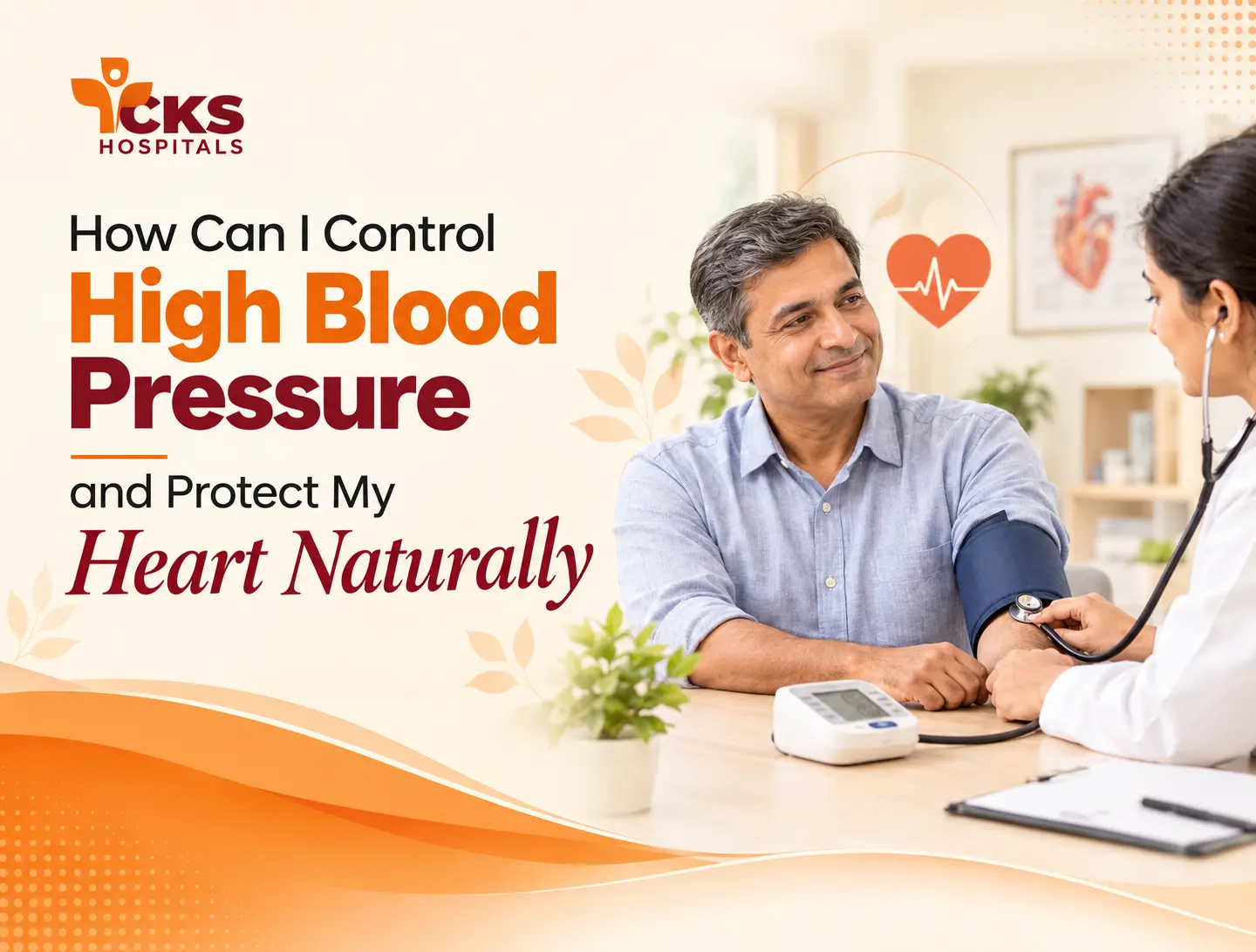

Heart blockage, a common cardiovascular condition, can significantly impact your health and quality of life. Fortunately, modern medicine offers a range of effective treatments that don’t necessarily involve surgery. In this guide, we’ll explore various non-surgical approaches to managing heart blockage, i.e. Treatment of Heart Blockage without Surgery which will be empowering you to make informed decisions in consultation with healthcare professionals.
Before delving into treatment options, let’s grasp what heart blockage entails. Heart blockage occurs when the flow of electrical signals in the heart is disrupted, leading to irregular heartbeats and potential complications. This condition highlights the significance of seeking appropriate care to ensure optimal cardiovascular health.
A pivotal step is modifying your diet to include heart-boosting foods such as fruits, vegetables, whole grains, and lean proteins. Limiting saturated fats, cholesterol, and sodium can contribute to better heart health.
Engaging in regular physical activity can enhance cardiovascular function. Aim for at least 150 minutes of moderate exercise weekly, under your doctor’s guidance.
Quitting smoking and minimizing alcohol intake can significantly reduce heart blockage risks and improve overall well-being.
A range of medications can effectively manage heart blockage. Consult your doctor to determine the most suitable options for your condition.
These medications regulate heart rate and help maintain a steady rhythm, reducing strain on the heart.
Preventing blood clots is crucial. Antiplatelet drugs and blood thinners minimize the risk of clot formation and potential complications.
A common procedure, angioplasty involves inflating a balloon in blocked arteries to improve blood flow. Stent placement may follow, ensuring the artery remains open.
This procedure involves using radiofrequency energy to eliminate abnormal electrical pathways in the heart, restoring regular heartbeats.
EECP enhances blood flow to the heart, reducing symptoms and improving overall cardiac function.
While not surgical in the traditional sense, TAVR involves replacing a narrowed aortic valve using minimally invasive techniques.
Consistent medical check-ups are vital for monitoring heart health, adjusting treatments, and addressing any concerns promptly.
Educate yourself about warning signs of heart issues, such as chest pain, shortness of breath, and dizziness. Seek immediate medical attention if these symptoms arise.
In conclusion, treatment of heart blockage without surgery is indeed possible through a combination of lifestyle changes, medication, and non-invasive procedures. Remember, each individual’s case is unique. Consultation with qualified healthcare professionals like Dr Prakash Chandwani at CKS Hospital, Jaipur is essential to determine the most appropriate treatment plan tailored to your needs. By taking proactive steps and staying vigilant about your cardiovascular health, you can actively contribute to a heart-healthy and fulfilling life.
Recent Posts

Read More
Our Speciality
Explore More
Our Doctors

Dr Prakash Chandwani
(Chief Managing Director) Director & Head Dept of Cardiology
Dr Mahesh Goyal
Director & Head Dept of Allergy Specialist, Asthma & Sleep

Dr Mohammed Sharif
CEO & Global Operations
Dr Ghanshyam Agrawal
Consultant Dept of Neuro Surgeon

Dr Sumit Kamble
Consultant Dept of Neurology
See All Doctors
WhatsApp us